Ratina Treatment
Protect your vision with advanced retina and uveitis care at Eye Sight Center, Varanasi. Dr. Richa Srivastava provides early detection, precise diagnosis, and effective treatment for conditions like diabetic retinopathy, retinal tears, and uveitis to preserve your eyesight.
What is the Retina and Why is it Critical?
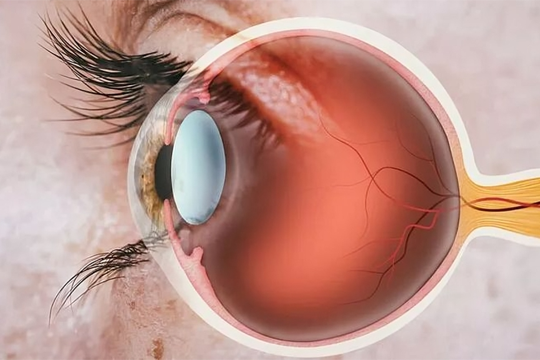
The retina is a thin layer of light-sensitive tissue lining the back of your eye. It acts as a sensor, converting light into neural signals and sending them to the brain via the optic nerve. Because the retina is composed of delicate nerve tissue, damage caused by disease or injury is often permanent if not treated immediately.
At our Naria, Varanasi center, we specialize in diagnosing and managing complex retinal disorders that, if left unchecked, can lead to total blindness.
Common Retinal Conditions We Treat
Dr. Richa Srivastava (MBBS, MS) provides comprehensive care for a wide range of posterior segment diseases:
- Diabetic Retinopathy: For patients with diabetes, high blood sugar can damage the tiny blood vessels in the retina, causing them to leak or grow abnormally. We provide regular screenings to prevent "Proliferative Retinopathy."
- Age-Related Macular Degeneration (AMD): A leading cause of vision loss in people over 50. We treat both "Dry" AMD with nutritional therapy and "Wet" AMD with advanced medical interventions.
- Retinal Tears and Detachment: A medical emergency. If you see sudden flashes of light or a "curtain" falling over your vision, our clinic is equipped for immediate intervention.
- Uveitis: This is an inflammation of the middle layer of the eye (the uvea). It can be caused by infections or autoimmune diseases and requires specialized steroid or immunosuppressive therapy.
- Retinal Vein Occlusion (RVO): Often called an "eye stroke," this happens when a vein in the retina is blocked, leading to sudden vision blurring or loss.
Advanced Treatment Modalities at Eye Sight Center
We believe in a "Save the Sight" philosophy. Depending on your diagnosis, Dr. Srivastava may recommend:
- Intravitreal Injections (Anti-VEGF): These revolutionary injections (like Lucentis or Avastin) stop the growth of abnormal, leaky blood vessels and reduce macular swelling.
- Retinal Laser Photocoagulation: A precise laser used to "weld" retinal tears or seal leaking vessels in diabetic patients.
- Vitrectomy: A sophisticated surgery where the vitreous gel is removed and replaced to repair retinal detachments or clear internal bleeding.
Why Choose Dr. Richa Srivastava for Retina Care?
Retina care requires a high degree of surgical precision and advanced diagnostic imaging like OCT (Optical Coherence Tomography). Our facility in Naria offers these high-end diagnostics, ensuring that patients in Varanasi don't have to travel to metro cities for world-class retinal care.
Frequently Asked Questions
Floaters are small specks or "cobwebs" in your vision. While often harmless, a sudden increase in floaters accompanied by flashes of light can signal a retinal tear, which requires immediate attention.
While it cannot be "cured" permanently, it can be managed. With proper blood sugar control and timely laser or injection therapy, we can prevent further vision loss and stabilize your sight.
Most patients find the idea more scary than the reality. We use powerful numbing drops and a very fine needle; the procedure is over in seconds and usually feels like a tiny "pinch" or pressure.
Uveitis can be caused by infections (like TB or Sarcoidosis), injury, or more commonly, an autoimmune response where the body attacks its own eye tissue.
Depending on the complexity, the surgery can take anywhere from 45 minutes to 2 hours. It is usually performed under local anesthesia with sedation, allowing for same-day discharge.